


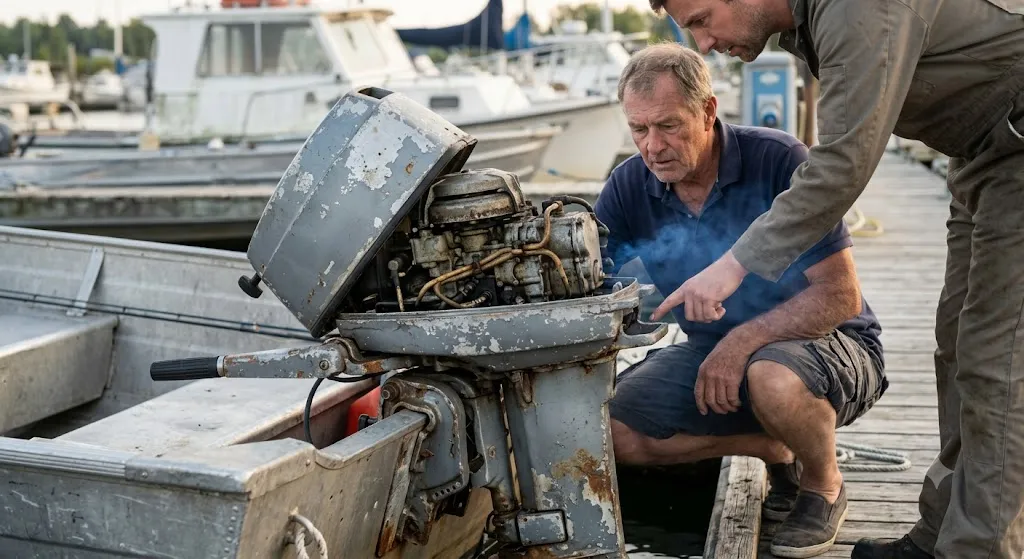
Outboard motors can provide dependable service for many years, but no engine lasts forever. Age, operating hours, maintenance history, corrosion, and repeated repairs can eventually make replacement a more practical choice than continued servicing.
Boat owners reviewing Outboard Motors for Sale often begin because their current engine has become less reliable or more expensive to maintain. Knowing the warning signs can help owners decide whether another repair makes sense or whether it is time to consider a newer motor.
Starting Problems Become More Frequent
An engine that becomes increasingly difficult to start may be showing signs of wear or an underlying mechanical issue. Occasional starting trouble can have a simple cause, but repeated problems deserve attention.
If the motor regularly needs extra attempts, struggles when cold, or becomes unreliable after sitting, the inconvenience can quickly affect boating plans. Persistent starting issues should be diagnosed before they become more serious.
Repairs Begin Adding Up
One repair does not automatically mean an engine needs replacement. However, several expensive repairs within a short period can change the financial picture.
Owners should compare the cost of upcoming work with the age and overall condition of the motor. Continuing to spend heavily on an engine with several worn systems may not provide good long-term value.
Fuel Consumption Starts Increasing
Older engines may gradually become less efficient because of wear, poor tuning, fuel-system problems, or reduced mechanical performance. Increased fuel use can make frequent boating noticeably more expensive.
A sudden change in consumption should first be investigated. If efficiency continues to decline despite proper maintenance, it may be worth comparing the running costs of newer alternatives.
Power Delivery Feels Inconsistent
Loss of acceleration or uneven power can indicate several possible issues. The engine may struggle under load, hesitate during acceleration, or fail to reach its previous cruising performance.
These symptoms do not always mean replacement is necessary. Still, when performance problems become recurring, and repairs are no longer providing lasting improvement, upgrading may become more practical.
Corrosion Becomes Difficult to Manage
Corrosion is a major concern for engines used in saltwater. Regular flushing and cleaning can help, but years of exposure may eventually affect important components.
Surface corrosion is different from serious structural deterioration. Owners should have questionable areas inspected, particularly around mounting points, the lower unit, and other components exposed to harsh marine conditions.
Parts Become Harder to Find
Older models can become more difficult to support as time passes. Some replacement components may become expensive, less available, or require longer waiting periods.
This can create unwanted downtime during the boating season. A mechanically repairable engine may still become inconvenient to own if routine parts are consistently difficult to source.
Reliability Starts Affecting Confidence
A boat owner should feel confident that the engine will start and run when needed. Repeated breakdowns can turn even simple trips into stressful experiences.
Reliability becomes especially important when boating farther from shore. Owners who no longer trust their current motor may decide that dependable operation is worth more than continuing to repair an aging engine.
Newer Features May Be Useful
Replacement is not always about fixing a problem. Some owners upgrade because newer engines may offer improved controls, monitoring systems, quieter operation, or better compatibility with their current boating needs.
Someone considering a Mercury Outboard should compare available features carefully. The goal should be practical improvement rather than paying for technology that offers little benefit.
Boat Use May Have Changed
The engine may still work correctly, but the owner’s boating habits might be different from when it was first purchased. A boat that once carried two people may now regularly carry a family and more equipment.
Fishing trips may have become longer, or the boat may now be used in more demanding coastal conditions. Changing use can make a different engine size or configuration more suitable.
Replacement Needs Proper Planning
Buying a new motor should not be rushed simply because an older engine has developed a problem. Boat specifications, transom limits, shaft length, controls, engine weight, and typical load should all be reviewed.
Planning also gives owners time to compare servicing needs and expected operating costs. This can help prevent replacing one unsuitable setup with another.
Conclusion
An aging outboard does not need replacement simply because of its years, but repeated repairs, declining reliability, increasing fuel use, corrosion, and parts shortages can all signal that the ownership equation is changing.
The best decision comes from considering the engine’s overall condition rather than one isolated fault. When repair costs and downtime begin outweighing the benefits of keeping the existing motor, replacement can offer a more dependable and practical path forward.